From the library
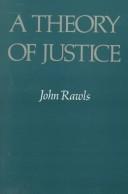
A Theory of Justice
John Rawls, 1971
In one paragraph
Rawls' influential work on political philosophy that introduces the 'veil of ignorance' concept and argues for justice as fairness in social institutions.
Also tagged
Where this sits in the operating system
Purpose & Meaning
People & Relationships
Mental Models & Decision Frameworks
Key insights
The veil of ignorance is a device for removing self-interest from a judgement: choose the rule before knowing which position you occupy.
Justice as fairness ranks liberty first, then permits inequality only where it improves the position of the worst off.
The method transfers well beyond politics. Any allocation you would not accept from the weakest position is one you are defending from privilege.
Recognise it early
The failure and the correction sit side by side deliberately. Read the left column asking whether any of it is already true of you.
Confusing equality of outcome with equality of opportunity
Sacrificing individual rights for collective benefit
Making decisions based on current position advantage
Ignoring impact on least advantaged members
Avoiding democratic participation to maintain control
The same idea, argued differently
Plato
Stephen Covey
The full breakdown
Before you close this
Naming the specific moment you will act roughly doubles the odds you do.
Reference
- Author
- John Rawls
- Published
- 1971
- Category
- Philosophy
We value your privacy
We use cookies to enhance your experience, analyze site traffic, and personalize content. You can manage your preferences or learn more in our Privacy Policy.