External Systems Over Memory
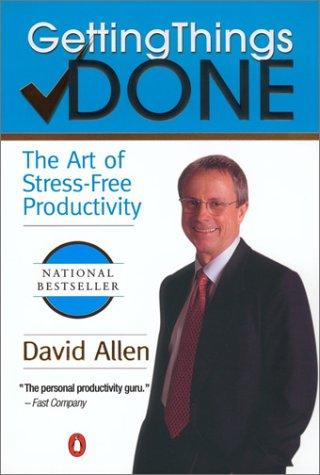
Use trusted external systems to free cognitive load (e.g., Getting Things Done, Atomic Habits).
Key Insight
"Offload anything you don't need to actively think about right now, and use the freed-up capacity to actually think."
Your mind is for having ideas, not storing them. Relying on memory alone is unreliable and creates constant background overhead, even for people who are good at their jobs. By building external systems - whether digital tools, physical notebooks, or structured processes - you free your cognitive capacity for higher-level thinking and decision-making. This principle transforms how you manage information, tasks, and commitments.
Practical Applications
Implementing a Getting Things Done (GTD) system for task management
Using project management tools like Notion or Asana for team coordination
Creating standard operating procedures (SOPs) for recurring processes
Building knowledge bases and documentation systems for institutional memory
Implementation Guide
Conduct a 'brain dump' of all current tasks, projects, and commitments
Choose and set up a trusted digital system for capturing and organizing information
Establish regular review rhythms (daily, weekly, monthly) to maintain your systems
Train your team on shared systems and documentation practices

Frequently Asked Questions
Others under Systems Over Goals
Process Documentation
Create repeatable, documented processes for consistency (e.g., E-Myth, Built to Sell, Get Scalable).
Automation & Leverage
Automate tasks and use tools to increase efficiency (e.g., Buy Back Your Time, 24 Assets).
Regular Review Rhythms
Schedule consistent reviews to maintain and refine systems (e.g., GTD, 12 Week Year, Traction).